
“Aggression is not the absence of control; it is the disciplined ability to apply force only when the mission requires it.”
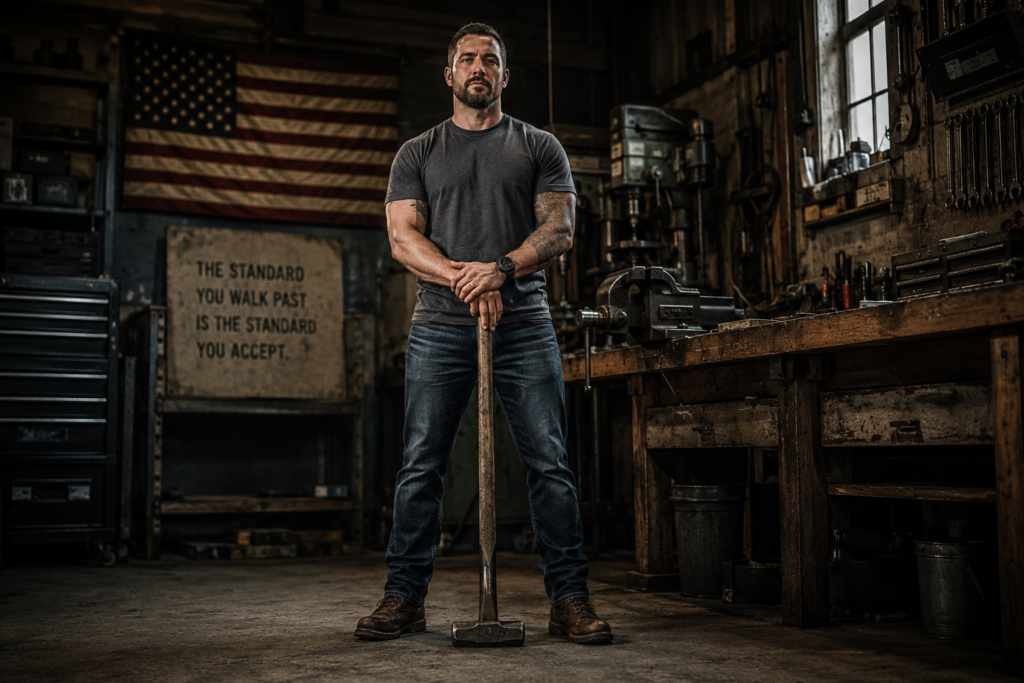
One of the biggest challenges Veterans face after military service is not anger, it is being misunderstood. The traits that made warriors effective in the military are often misread in civilian life. Military aggression is not the same as uncontrolled hostility. It is a trained mindset built on discipline, confidence, decisiveness, and the ability to act when others hesitate.
In combat arms and other high-stakes military roles, aggression is developed for a reason. Hesitation can cost lives. Veterans are trained to move with purpose, maintain eye contact, communicate directly, project confidence, and establish a strong presence. On the battlefield, those traits build trust, improve performance, and increase survivability. In the civilian workplace, however, the same behaviors can be mistaken for intimidation, hostility, or being “too aggressive.”
This is where military transition becomes difficult. Many Veterans enter civilian jobs where direct communication is seen as abrasive instead of efficient. A firm handshake, confident posture, steady eye contact, and concise communication may make coworkers uncomfortable simply because they are unfamiliar with military culture. What Veterans see as professionalism and leadership, others may label as “too intense,” “too intimidating,” or “hard to work with.”
That disconnect often leads to frustration. From the Veteran’s perspective, they are not being aggressive, they are simply communicating the way they were trained for years. In many cases, the problem is not intent. The problem is interpretation.
Relationships can reveal this even more clearly. Military culture values clarity, accountability, and direct communication because lives depend on it. Marriage, parenting, and family life work differently. A spouse may hear directness as criticism, emotional distance, or anger, even when the Veteran’s goal is simply to be honest and solve the problem. What feels respectful and efficient in one environment may feel cold or confrontational in another.
“Intent and impact are not always the same. You may intend to communicate with clarity while others experience intimidation.”
Learning this difference does not mean abandoning military culture. It means becoming fluent in another one. Emotional intelligence does not replace military bearing it strengthens it. It gives Veterans the ability to lead effectively in the civilian workplace, at home, and in every other part of life after transition.
A good way to understand military aggression is to think about a sledgehammer. A sledgehammer is one of the most powerful tools ever made but only when it is used for the job it was designed to do. It can break concrete, drive steel, and demolish barriers that a normal hammer cannot touch. But if you tried to hang a family picture with a sledgehammer, you would destroy the wall instead of completing the task.
Aggression works the same way.
It is an effective tool when protecting your family, leading in a crisis, confronting danger, or responding to a real threat. But it becomes destructive when it becomes the default response to everyday conversations, workplace conflict, parenting, or marriage.
“A warrior doesn’t prove strength by swinging the sledgehammer at everything. Wisdom is knowing when to set it down.”
Many Veterans believe that becoming calmer means becoming weaker. In reality, the opposite is true.
One of the clearest signs of confidence is knowing you are fully capable of aggression and violence when they are truly necessary and therefore feeling no need to prove it every day.
“The man who knows he can fight rarely feels the need to.”
When your identity is secure, you stop reacting to every perceived threat. You begin choosing your response instead of being controlled by it. Aggression becomes something you possess, not something that possesses you.
The goal of military transition is not to become less of a warrior. It is to become a wiser one.
The battlefield required aggression. Marriage requires empathy. Parenting requires patience. Leadership requires discernment. Business requires adaptability. Every mission demands a different tool.
“Maturity isn’t losing your edge. It’s knowing which edge to bring into the room.”
At Cover & Align, we believe the strongest warriors are not the ones who stay aggressive all the time. They are the ones who have developed the confidence, emotional discipline, and wisdom to apply the right amount of strength at the right time for the right purpose.
“The strongest warrior isn’t the one who lives in fight mode. It’s the one who has mastered the ability to choose peace without sacrificing strength.”
We don’t erase what the military built. We refine it.
Keep TruckN