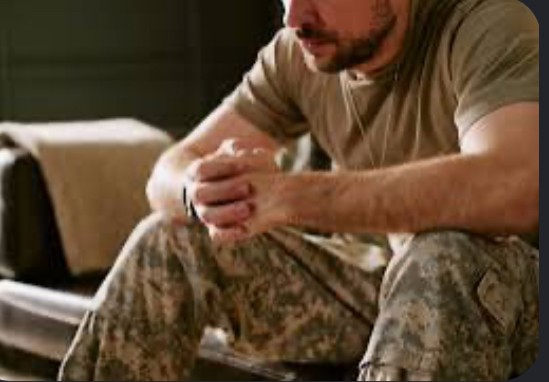
When it comes to the military to civilian transition, one of the biggest misunderstandings is the difference between change and transition. These two terms may sound similar, but they represent entirely different processes, especially for service members navigating life after the military. Change is external, it’s the event of leaving the uniform, moving to a new city, having a new place to call home, or starting a civilian job. Transition, however, is internal. It’s the psychological and emotional journey of redefining identity and purpose beyond the military. As author and organizational change expert William Bridges once said, “Change is situational. Transition, on the other hand, is psychological.”
Understanding this difference is crucial to a successful military to civilian career shift. Bridges’ model of transition: ending, neutral zone, and new beginning, mirrors what many Veterans experience after their End of Active Service (EAS). The “ending” involves letting go of a familiar identity; the “neutral zone” feels uncertain and often disorienting; and the “new beginning” represents the moment a Veteran truly reclaims a sense of purpose and belonging in civilian life. I like to call this phase the adaption phase. Unfortunately, many get stuck in that middle zone, facing what’s known as readjustment stress, a psychological response to losing structure, mission, and camaraderie.
Research from the Department of Veterans Affairs highlights that this stress is one of the most significant military transition challenges. Veterans often struggle with employment, relationships, and a loss of meaning after service because the external change (leaving the military) happens far faster than the internal transition (rebuilding identity). According to the VA, Veterans who receive support focused on emotional, social, and spiritual adjustment, not just job placement are more likely to thrive long-term in civilian life.
As one Veteran put it, “Change was leaving the uniform; transition was learning who I am without it.” That’s the heart of why readjustment stress matters, it’s not simply about adapting to a new career or lifestyle, but about rebuilding adapting a new purpose, identity, and connection. For those preparing for separation or helping others through it, remember: true readiness comes not just from a plan, but from patience, reflection, and community. That take intentionality.
If you’re preparing for your EAS or want to learn how to transition from military to civilian life smoothly, focus on the inner journey as much as the outer one. Build your new mission, reconnect with your values, and surround yourself with those who understand the process of change and transition. That’s where lasting growth, and peace begins. Keep TruckN-